
Sermon Takeaway 01/25/2026

Two Natures, Two Destinies: Understanding Your Spiritual Identity
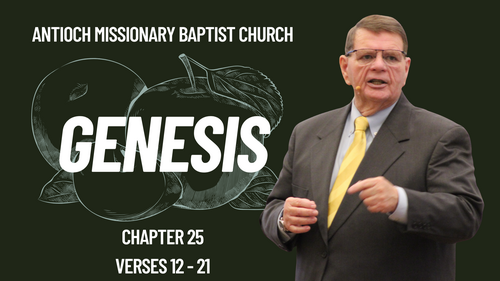
The ancient story of Abraham's family offers profound insights into a reality that affects every person alive today. It's a narrative that goes far beyond historical events—it reveals the fundamental truth about human nature and our relationship with God.
When Leaders Pass, God's Work Continues
Throughout history, we've witnessed a troubling pattern: when a prominent spiritual leader dies, their ministry often dies with them. Churches close. Organizations dissolve. Movements fade into memory. Why does this happen? Because people place their confidence in individuals rather than in God Himself.
The ministry that survives beyond its founder is one built on the foundation of Jesus Christ, not on human charisma or personality. Billy Graham's ministry continues through different forms. John MacArthur's church thrives beyond his passing. These ministries endure because they were never about the man—they were always about the message of God.
This principle extends to our personal lives. We are not indispensable to God's plans. He chooses to use us, and that is indeed a blessing, but His purposes will be accomplished with or without our participation. This truth should humble us and free us from the arrogance of thinking we're necessary to God's work.
The ministry that survives beyond its founder is one built on the foundation of Jesus Christ, not on human charisma or personality. Billy Graham's ministry continues through different forms. John MacArthur's church thrives beyond his passing. These ministries endure because they were never about the man—they were always about the message of God.
This principle extends to our personal lives. We are not indispensable to God's plans. He chooses to use us, and that is indeed a blessing, but His purposes will be accomplished with or without our participation. This truth should humble us and free us from the arrogance of thinking we're necessary to God's work.
The Battle Between Flesh and Spirit
The Genesis account carefully separates two distinct lineages after Abraham's death. Before focusing on Isaac, the narrative deliberately addresses Ishmael and the children born to Keturah, sending them eastward, away from the promised line. This geographical and genealogical separation illustrates a spiritual principle that echoes throughout Scripture: the people of God must be separate from the world system.
This isn't about physical isolation or superiority. It's about understanding that every human being operates according to one of two natures: the flesh or the spirit.
This isn't about physical isolation or superiority. It's about understanding that every human being operates according to one of two natures: the flesh or the spirit.
Understanding the Flesh
The "flesh" represents the natural person born into this world. Like a cat that doesn't wake up deciding to be a cat but simply acts according to its nature, every person enters this world ruled by natural desires, wants, and impulses. This natural man is already separated from God, already condemned, already unable to save himself.
The story of Ishmael illustrates this fleshly existence. By worldly standards, his life appeared successful—twelve sons who became princes, prosperity, influence. Yet when his life ended at 137 years, Scripture records that "he breathed his last and died"—literally, he fell down. There's no mention of satisfaction, no sense of completion. Just an ending.
The natural man can never fully satisfy the desires of his heart. He reaches the end of life looking backward with regret: "If only this had happened differently... If that tragedy hadn't occurred... I could have been..." Always making excuses, always feeling incomplete.
The story of Ishmael illustrates this fleshly existence. By worldly standards, his life appeared successful—twelve sons who became princes, prosperity, influence. Yet when his life ended at 137 years, Scripture records that "he breathed his last and died"—literally, he fell down. There's no mention of satisfaction, no sense of completion. Just an ending.
The natural man can never fully satisfy the desires of his heart. He reaches the end of life looking backward with regret: "If only this had happened differently... If that tragedy hadn't occurred... I could have been..." Always making excuses, always feeling incomplete.
The Spiritual Alternative
In contrast stands Isaac, representing the spiritual man. His life looked different from the start. Born to parents far beyond childbearing years, raised by a father who had already lived a full lifespan, Isaac learned mature faith early. When asked to become a sacrifice, he trusted God and his father enough to submit willingly.
Even in his marriage, Isaac demonstrated spiritual obedience. At forty years old, he allowed his father to arrange his marriage—an act of remarkable trust. He followed the path set before him, not asserting his own will but seeking his Father's direction.
But notice the paradox: while Ishmael's fleshly life appeared immediately successful with many children, Isaac—the spiritual man—remained childless for twenty years after marriage. What did he do during this barren period? He didn't try to help God or manipulate circumstances. Instead, "Isaac pleaded with the Lord for his wife, because she was barren, and the Lord granted his plea."
Even in his marriage, Isaac demonstrated spiritual obedience. At forty years old, he allowed his father to arrange his marriage—an act of remarkable trust. He followed the path set before him, not asserting his own will but seeking his Father's direction.
But notice the paradox: while Ishmael's fleshly life appeared immediately successful with many children, Isaac—the spiritual man—remained childless for twenty years after marriage. What did he do during this barren period? He didn't try to help God or manipulate circumstances. Instead, "Isaac pleaded with the Lord for his wife, because she was barren, and the Lord granted his plea."
The Path to Spiritual Life
Here's the crucial truth: while everyone is born as a natural, fleshly person, no one is born spiritual. Becoming spiritual requires a fundamental transformation that you cannot accomplish yourself.
The process begins when God convicts your heart, revealing that you are separated from Him not primarily because of your sins, but because of your sin nature. You don't sin because you commit sinful acts; you commit sinful acts because you have a sinful nature. That's the core problem—and it's one you cannot solve through moral improvement, religious effort, or good intentions.
No matter how much you try to change, no matter how morally upright you become, you cannot alter the natural man at your core. He is too deeply ingrained.
But God provided what you could not: His Son became human, took on your guilt and faults and shortcomings, and carried them to the cross. There, the only thing that could be done to deal with the old man was accomplished—he was killed.
When Jesus rose from the grave, that old man stayed dead in the tomb. A new man emerged—the spiritual man, with Jesus as our example.
Salvation comes when you believe this truth by faith. Not through feelings, not through rituals, not through someone's pronouncement over you—but through simple faith that God has provided what you could not. It's choosing sides: Will you remain on the world's side where you naturally belong, or will you choose God's side?
The process begins when God convicts your heart, revealing that you are separated from Him not primarily because of your sins, but because of your sin nature. You don't sin because you commit sinful acts; you commit sinful acts because you have a sinful nature. That's the core problem—and it's one you cannot solve through moral improvement, religious effort, or good intentions.
No matter how much you try to change, no matter how morally upright you become, you cannot alter the natural man at your core. He is too deeply ingrained.
But God provided what you could not: His Son became human, took on your guilt and faults and shortcomings, and carried them to the cross. There, the only thing that could be done to deal with the old man was accomplished—he was killed.
When Jesus rose from the grave, that old man stayed dead in the tomb. A new man emerged—the spiritual man, with Jesus as our example.
Salvation comes when you believe this truth by faith. Not through feelings, not through rituals, not through someone's pronouncement over you—but through simple faith that God has provided what you could not. It's choosing sides: Will you remain on the world's side where you naturally belong, or will you choose God's side?
Living as a Spiritual Person
The moment you become saved, God creates in you a new creature to replace the dead old man. But here's where many misunderstand: a war immediately begins between that dead creature and your new spiritual nature.
The dead man isn't gone in the sense that he won't cause problems. He'll tug at you, tempt you, offer you opportunities to return to old patterns. The spiritual life is learning to say, "Be quiet, dead man. You can't tell me what to do anymore."
The more you yield to Christ and deny the flesh, the stronger your spiritual nature becomes. Conversely, the more you yield to that dead man, the weaker your spiritual walk becomes. The question isn't whether you're spiritual or natural anymore—if you're saved, you're spiritual. The question is: How will you live? Who will be supreme in your life?
This requires separation from the world—not arrogant isolation, but distinct difference. We live in the world, care for the world, present the gospel to the world, but we don't adopt the world's attitudes, habits, or values. We become heaven-minded, setting our affections on things above.
Make no mistake: if you choose to live rightly before God, this world will not accept you. There's a battle that started in the Garden of Eden and won't end until Christ creates the new heavens and new earth. Get ready for it. Settle it in your heart.
The dead man isn't gone in the sense that he won't cause problems. He'll tug at you, tempt you, offer you opportunities to return to old patterns. The spiritual life is learning to say, "Be quiet, dead man. You can't tell me what to do anymore."
The more you yield to Christ and deny the flesh, the stronger your spiritual nature becomes. Conversely, the more you yield to that dead man, the weaker your spiritual walk becomes. The question isn't whether you're spiritual or natural anymore—if you're saved, you're spiritual. The question is: How will you live? Who will be supreme in your life?
This requires separation from the world—not arrogant isolation, but distinct difference. We live in the world, care for the world, present the gospel to the world, but we don't adopt the world's attitudes, habits, or values. We become heaven-minded, setting our affections on things above.
Make no mistake: if you choose to live rightly before God, this world will not accept you. There's a battle that started in the Garden of Eden and won't end until Christ creates the new heavens and new earth. Get ready for it. Settle it in your heart.
The Foundation That Cannot Be Shaken
Why do so many who claim faith walk just like the world? Because they haven't truly trusted the Word of God. They're ignorant of what Scripture actually says, relying on feelings or secondhand information rather than direct knowledge.
You cannot become spiritual simply by attending church services. Sermons can help, encourage, and spur you along, but genuine spiritual growth requires personal engagement with Scripture—reading it, discovering what's in it, bowing to it, and obeying it.
When your confidence rests in God's Word rather than circumstances or feelings, you cannot be swayed. When someone challenges your beliefs, your answer remains constant: "That may be your opinion, but I'm settled on what the Word of God says. It has become my rule and guide."
You cannot become spiritual simply by attending church services. Sermons can help, encourage, and spur you along, but genuine spiritual growth requires personal engagement with Scripture—reading it, discovering what's in it, bowing to it, and obeying it.
When your confidence rests in God's Word rather than circumstances or feelings, you cannot be swayed. When someone challenges your beliefs, your answer remains constant: "That may be your opinion, but I'm settled on what the Word of God says. It has become my rule and guide."
Two Groups, One Choice
There are only two types of people: the fleshly person ruled by their own desires and emotions, and the spiritual person who has committed to Jesus Christ, recognized their sin, accepted His grace, and submitted to God's Word.
Within these groups, some live more consistently than others—some natural people live more destructively, some spiritual people live more faithfully—but this doesn't change which group they belong to.
The ultimate question is this: When you are gathered to your people, to whom will you be gathered?
Like Abraham, who died satisfied and was gathered to his people in God's presence, or like Ishmael, who was gathered to the people of this world to receive judgment?
God stands as captain of one team, the world system led by the devil as captain of the other. You were born naturally on the devil's side—no invitation needed. But God extends an invitation to join His side, the winning team with a predetermined outcome.
Within these groups, some live more consistently than others—some natural people live more destructively, some spiritual people live more faithfully—but this doesn't change which group they belong to.
The ultimate question is this: When you are gathered to your people, to whom will you be gathered?
Like Abraham, who died satisfied and was gathered to his people in God's presence, or like Ishmael, who was gathered to the people of this world to receive judgment?
God stands as captain of one team, the world system led by the devil as captain of the other. You were born naturally on the devil's side—no invitation needed. But God extends an invitation to join His side, the winning team with a predetermined outcome.
Unlike a schoolyard game where you had no choice, here God says, "You're over there on that losing side—come over here. Join the winning team."
Which side will you choose? The decision is entirely yours, and the consequences are eternal.
Which side will you choose? The decision is entirely yours, and the consequences are eternal.
Watch the full sermon here:
Recent Takeaways
Archive
2026
2025
March
September
October
November
No Comments