
Sermon Takeaway 02/01/2026

The Tale of Two Brothers: Understanding Our Spiritual Heritage
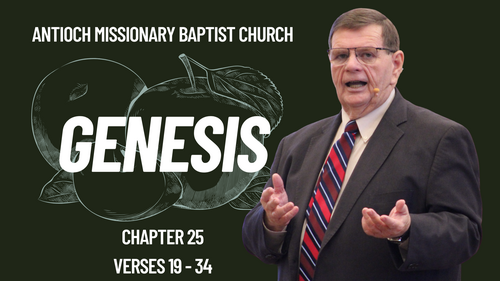
In the ancient pages of Genesis, we encounter a story that seems simple on the surface—two brothers, twins actually, born to Isaac and Rebekah. Yet beneath this family narrative lies a profound truth that echoes throughout all of Scripture, revealing God's masterful plan for humanity's redemption.
A Promise Twenty Years in the Making
Isaac was forty years old when he married Rebekah, a man of maturity and wisdom who had learned submission to God's will through his own remarkable experiences. For twenty years, they waited for children. Can you imagine the weight of that waiting? Isaac was the child of promise himself, born to Abraham and Sarah in their old age. Now the burden rested on his shoulders to continue the lineage through which the Deliverer would come.
Unlike his father Abraham, who sometimes took matters into his own hands, Isaac did something profound—he prayed. He went directly to the Lord about his wife's barrenness. And God, in His perfect timing, answered. After two decades, Rebekah conceived.
Unlike his father Abraham, who sometimes took matters into his own hands, Isaac did something profound—he prayed. He went directly to the Lord about his wife's barrenness. And God, in His perfect timing, answered. After two decades, Rebekah conceived.
The Struggle Begins
But this pregnancy was unusual. The children within Rebekah's womb struggled violently against each other. Concerned, she inquired of the Lord and received a startling prophecy: "Two nations are in your womb, two peoples shall be separated from your body; one people shall be stronger than the other, and the older shall serve the younger."
This divine reversal—the younger ruling over the older—would become a recurring theme woven throughout Scripture, pointing to something far greater than family dynamics.
When the time came, the first child emerged red and covered with hair, like a garment. They named him Esau. Immediately behind him came his brother, grasping Esau's heel as if already attempting to overtake him. They called him Jacob, meaning "one who grasps the heel" or "supplanter."
This divine reversal—the younger ruling over the older—would become a recurring theme woven throughout Scripture, pointing to something far greater than family dynamics.
When the time came, the first child emerged red and covered with hair, like a garment. They named him Esau. Immediately behind him came his brother, grasping Esau's heel as if already attempting to overtake him. They called him Jacob, meaning "one who grasps the heel" or "supplanter."
Two Natures, Two Destinies
As the boys grew, their differences became stark. Esau became a skillful hunter, a man of the field—what we might call a "man's man." He could track game, kill it with his bare hands, and provide food for the family. He was of the earth, earthy. The natural man in every sense.
Jacob, by contrast, was described as a mild man who dwelt in tents. He was goodly, obedient, spiritually minded. He cared about things beyond this temporary world.
Their parents' favoritism created a toxic family dynamic. Isaac loved Esau because he enjoyed the wild game his son brought home. Rebekah loved Jacob, perhaps because she remembered God's prophecy about him.
Jacob, by contrast, was described as a mild man who dwelt in tents. He was goodly, obedient, spiritually minded. He cared about things beyond this temporary world.
Their parents' favoritism created a toxic family dynamic. Isaac loved Esau because he enjoyed the wild game his son brought home. Rebekah loved Jacob, perhaps because she remembered God's prophecy about him.
The Birthright Transaction
One day, Jacob was cooking a red lentil stew when Esau came in from hunting, exhausted and famished. The aroma filled the tent, and Esau, driven by his immediate physical need, demanded food.
Jacob saw his opportunity. "Sell me your birthright," he proposed.
Esau's response reveals everything about his nature: "Look, I am about to die; so what is this birthright to me?" He swore an oath, traded his inheritance for a bowl of stew, and the Scripture delivers a devastating verdict: "Thus Esau despised his birthright."
The birthright wasn't merely about family headship or material inheritance. It meant becoming the spiritual leader, the priest of the family, the one through whom God's promises would flow. Esau cared nothing for these spiritual realities. He was profane, unclean, a man concerned only with satisfying his immediate appetites.
Jacob saw his opportunity. "Sell me your birthright," he proposed.
Esau's response reveals everything about his nature: "Look, I am about to die; so what is this birthright to me?" He swore an oath, traded his inheritance for a bowl of stew, and the Scripture delivers a devastating verdict: "Thus Esau despised his birthright."
The birthright wasn't merely about family headship or material inheritance. It meant becoming the spiritual leader, the priest of the family, the one through whom God's promises would flow. Esau cared nothing for these spiritual realities. He was profane, unclean, a man concerned only with satisfying his immediate appetites.
The Pattern Throughout Scripture
This story isn't isolated. It's part of a divine pattern that runs like a golden thread through the entire Bible. God repeatedly chooses the younger over the older, the second over the first, the spiritual over the natural.
Consider the progression: Cain and Abel—the second son's sacrifice was accepted. Ishmael and Isaac—the younger became the child of promise. Esau and Jacob—the younger received the blessing. Later, Joseph would be exalted over his older brothers. David, the youngest son, would be chosen as king over his older siblings.
Why this pattern?
Consider the progression: Cain and Abel—the second son's sacrifice was accepted. Ishmael and Isaac—the younger became the child of promise. Esau and Jacob—the younger received the blessing. Later, Joseph would be exalted over his older brothers. David, the youngest son, would be chosen as king over his older siblings.
Why this pattern?
The Two Adams
The Apostle Paul illuminates this mystery in 1 Corinthians 15. He writes about two Adams: "The first man Adam became a living being. The last Adam became a life-giving spirit. However, the spiritual is not first, but the natural, and afterward the spiritual. The first man was of the earth, made of dust; the second Man is the Lord from heaven."
Here's the revelation: When Adam sinned in the Garden of Eden, he despised his birthright just as Esau did. He traded his God-given authority to rule the earth for immediate gratification. He handed the birthright of this world to Satan, the prince of the power of the air.
But God's plan was never derailed. Before the foundation of the world, before Adam ever sinned, God had prepared a second Adam—the Lord Jesus Christ—who would reclaim that birthright and restore what was lost.
The pattern of the younger overcoming the older, the second replacing the first, points us to this central truth: our salvation doesn't come through the first Adam (our natural birth into sin) but through the second Adam (our spiritual birth through Christ).
Here's the revelation: When Adam sinned in the Garden of Eden, he despised his birthright just as Esau did. He traded his God-given authority to rule the earth for immediate gratification. He handed the birthright of this world to Satan, the prince of the power of the air.
But God's plan was never derailed. Before the foundation of the world, before Adam ever sinned, God had prepared a second Adam—the Lord Jesus Christ—who would reclaim that birthright and restore what was lost.
The pattern of the younger overcoming the older, the second replacing the first, points us to this central truth: our salvation doesn't come through the first Adam (our natural birth into sin) but through the second Adam (our spiritual birth through Christ).
Two Kinds of People
This ancient story divides all humanity into two categories. There are those who, like Esau, are of the earth—concerned primarily with physical appetites, immediate gratification, and worldly pursuits. They despise spiritual things, considering them foolish or weak.
Then there are those who, like Jacob, recognize that only what passes into eternity truly matters. They value their spiritual birthright and seek heavenly things.
The struggle between these two natures began in Rebekah's womb and continues today. There is natural enmity between the earthly-minded and the spiritually-minded, between those who live for this world and those who live for the world to come.
Then there are those who, like Jacob, recognize that only what passes into eternity truly matters. They value their spiritual birthright and seek heavenly things.
The struggle between these two natures began in Rebekah's womb and continues today. There is natural enmity between the earthly-minded and the spiritually-minded, between those who live for this world and those who live for the world to come.
Growing Beyond Spiritual Infancy
Understanding these truths isn't merely academic—it's foundational for spiritual maturity. Too many believers remain spiritual infants, knowing only that they were saved but never growing in understanding of God's Word and His ways.
The call is to move beyond spiritual milk to solid food, to study and grasp the deep truths woven throughout Scripture. This requires effort, concentration, and dedication. It's not always easy or entertaining, but it's essential.
When we understand that God's plan of redemption was established before the world began, when we see how He has orchestrated history to bring about our salvation through the second Adam, our faith becomes unshakeable. We move from hoping we might get to heaven to knowing with certainty that we will, based not on our feelings but on the solid foundation of God's Word.
The call is to move beyond spiritual milk to solid food, to study and grasp the deep truths woven throughout Scripture. This requires effort, concentration, and dedication. It's not always easy or entertaining, but it's essential.
When we understand that God's plan of redemption was established before the world began, when we see how He has orchestrated history to bring about our salvation through the second Adam, our faith becomes unshakeable. We move from hoping we might get to heaven to knowing with certainty that we will, based not on our feelings but on the solid foundation of God's Word.
The Question That Matters
The story of Esau and Jacob confronts us with a penetrating question: Which brother do you resemble? Are you living for immediate gratification, despising your spiritual birthright? Or are you valuing eternal things, growing in spiritual understanding, and bearing the image of the heavenly Man?
The good news is that through Christ, the second Adam, we can be transformed from earthly to heavenly, from natural to spiritual, from death to life. But this transformation requires more than a casual acknowledgment—it demands a complete turning over of our lives to the One who redeemed our birthright through His blood.
The struggle that began in a womb thousands of years ago continues in every human heart. The choice remains ours: which nature will we embrace?
The good news is that through Christ, the second Adam, we can be transformed from earthly to heavenly, from natural to spiritual, from death to life. But this transformation requires more than a casual acknowledgment—it demands a complete turning over of our lives to the One who redeemed our birthright through His blood.
The struggle that began in a womb thousands of years ago continues in every human heart. The choice remains ours: which nature will we embrace?
Watch the full sermon here:
Recent Takeaways
Archive
2026
2025
March
September
October
November
No Comments