
Sermon Takeaway 01/04/2026

The Greatest Love Story Ever Told: Finding Your Heart in God's Covenant
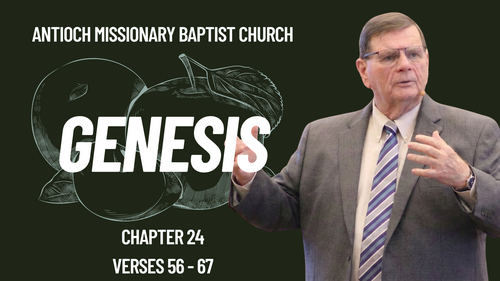
In the ancient pages of Genesis, tucked between genealogies and grand promises, lies one of Scripture's most tender love stories. But this isn't just about Isaac and Rebekah. It's about something far more profound—a divine romance that spans eternity and includes you.
When God Writes a Love Letter
The Bible isn't primarily a rulebook or a history text. At its core, it's the revelation of God's heart to humanity. Every story, every commandment, every prophecy points to one overwhelming truth: God is desperately, completely, unconditionally in love with His creation.
We've been sold a lie about who God is. The enemy whispers that God is an ogre in the sky, waiting for us to stumble so He can rain down punishment. But that's not the God revealed in Scripture. The God of the Bible is the one who goes to extraordinary lengths to pursue His beloved, to lavish love upon those who will receive it.
Consider the story unfolding in Genesis 24. Abraham, now 140 years old, sends his most trusted servant on a 900-mile journey to find a bride for his son Isaac. This isn't just ancient matchmaking—it's a picture of the Trinity at work in redemption.
Abraham represents God the Father, providing for His Son. The servant, Abimelech, represents the Holy Spirit—the action figure of the Godhead, sent on a mission to secure a bride. Isaac represents Jesus, waiting patiently for the one prepared for him. And Rebekah? She represents us—the church, the bride of Christ.
We've been sold a lie about who God is. The enemy whispers that God is an ogre in the sky, waiting for us to stumble so He can rain down punishment. But that's not the God revealed in Scripture. The God of the Bible is the one who goes to extraordinary lengths to pursue His beloved, to lavish love upon those who will receive it.
Consider the story unfolding in Genesis 24. Abraham, now 140 years old, sends his most trusted servant on a 900-mile journey to find a bride for his son Isaac. This isn't just ancient matchmaking—it's a picture of the Trinity at work in redemption.
Abraham represents God the Father, providing for His Son. The servant, Abimelech, represents the Holy Spirit—the action figure of the Godhead, sent on a mission to secure a bride. Isaac represents Jesus, waiting patiently for the one prepared for him. And Rebekah? She represents us—the church, the bride of Christ.
The Journey of the Holy Spirit
When Abimelech arrives at his destination after months of grueling travel, he doesn't randomly select a bride. He prays—the first recorded prayer in Scripture—asking God for a specific sign. When Rebekah appears at the well and offers not just to give him water but to water all his camels (a massive undertaking requiring gallons upon gallons of water), Abimelech knows God has answered.
Immediately, he begins showering her with gifts: jewelry for her nose, earrings, bracelets—all before she's even met Isaac. This is the Holy Spirit's work in our lives. Before we've seen Jesus face to face, He begins lavishing heaven's blessings upon us, assuring us of the Master's love.
The gifts weren't based on Rebekah's worthiness or her beauty, though she possessed both. They were given because she had been chosen. She was the beloved before she ever understood what that meant.
Immediately, he begins showering her with gifts: jewelry for her nose, earrings, bracelets—all before she's even met Isaac. This is the Holy Spirit's work in our lives. Before we've seen Jesus face to face, He begins lavishing heaven's blessings upon us, assuring us of the Master's love.
The gifts weren't based on Rebekah's worthiness or her beauty, though she possessed both. They were given because she had been chosen. She was the beloved before she ever understood what that meant.
The Heart Response
The most powerful moment in this entire narrative comes when Rebekah faces a decision. Her family, after receiving expensive gifts and hearing about Isaac, suggests waiting ten days before she departs. But Abimelech insists: "Don't hinder me."
The question is put directly to Rebekah: "Will you go with this man?"
Her response? "I will go."
Three simple words. No conditions. No hesitation. No "but what if" or "let me think about it." Just complete surrender to a future she couldn't see with a man she'd never met, based entirely on the testimony of the servant and the gifts she'd received.
This is the heart response God seeks from each of us. Not a calculated risk assessment. Not a conditional agreement based on favorable circumstances. Just a wholehearted "I will go."
The question is put directly to Rebekah: "Will you go with this man?"
Her response? "I will go."
Three simple words. No conditions. No hesitation. No "but what if" or "let me think about it." Just complete surrender to a future she couldn't see with a man she'd never met, based entirely on the testimony of the servant and the gifts she'd received.
This is the heart response God seeks from each of us. Not a calculated risk assessment. Not a conditional agreement based on favorable circumstances. Just a wholehearted "I will go."
The Danger of "But"
How often do we hear the good news of God's love and respond with that three-letter word that exposes our unbelief: "But."
Every "but" reveals a heart that hasn't yet grasped the unconditional nature of God's love. When you truly understand that God loves you—not because of who you are or what you've done, but because He has chosen you—the "buts" disappear.
Consider the absurdity of a husband coming home from work and saying, "I've got to go back to that house." If he loves his wife, home isn't a burden; it's where his heart longs to be. Similarly, when we view our relationship with God as a series of obligations rather than a love response, we've missed the entire point.
- "But you don't know how bad I've been."
- "But it's going to be too hard."
- "But I'm not worthy."
- "But what if I fail?"
Every "but" reveals a heart that hasn't yet grasped the unconditional nature of God's love. When you truly understand that God loves you—not because of who you are or what you've done, but because He has chosen you—the "buts" disappear.
Consider the absurdity of a husband coming home from work and saying, "I've got to go back to that house." If he loves his wife, home isn't a burden; it's where his heart longs to be. Similarly, when we view our relationship with God as a series of obligations rather than a love response, we've missed the entire point.
The Covenant of Love
Marriage in Scripture isn't just about human relationships. It's the primary metaphor God uses to describe His relationship with His people. A covenant is an agreement between two parties based on their integrity. In salvation, since we have nothing to offer, God took it upon Himself to be both the giver and the securer of the covenant.
For this covenant to be broken, God would have to die. And that's exactly what happened on Calvary. God in flesh died so that the old covenant of law could be fulfilled and a new covenant of grace could be established. Then He rose again, proving that death itself couldn't separate Him from His beloved.
Isaac brought Rebekah into his mother Sarah's tent, and she became his wife. The text says simply: "He loved her." Not "he came to love her" or "he learned to love her." The love was already there, waiting to be expressed.
Jesus already loves you. The place is already prepared. Everything necessary for your eternal relationship with Him has been provided. The only question remaining is: Will you go?
For this covenant to be broken, God would have to die. And that's exactly what happened on Calvary. God in flesh died so that the old covenant of law could be fulfilled and a new covenant of grace could be established. Then He rose again, proving that death itself couldn't separate Him from His beloved.
Isaac brought Rebekah into his mother Sarah's tent, and she became his wife. The text says simply: "He loved her." Not "he came to love her" or "he learned to love her." The love was already there, waiting to be expressed.
Jesus already loves you. The place is already prepared. Everything necessary for your eternal relationship with Him has been provided. The only question remaining is: Will you go?
Living in the Love
When you grasp this truth—really grasp it in your heart, not just your head—everything changes. Church isn't a burden; it's a foretaste of eternity. Reading Scripture isn't a duty; it's a love letter from your Beloved. Prayer isn't a ritual; it's intimate conversation with the One who knows you completely and loves you anyway.
The Christian life isn't hard when you're living in love. What's hard is trying to maintain a relationship based on performance, rules, and obligations. That's exhausting. But responding to love with love? That's the most natural thing in the world.
The Christian life isn't hard when you're living in love. What's hard is trying to maintain a relationship based on performance, rules, and obligations. That's exhausting. But responding to love with love? That's the most natural thing in the world.
The Eternal Perspective
Isaac was 40 years old when he married Rebekah. He'd waited his entire adult life for this moment. When he saw the camels approaching in the distance, when he learned that God had provided exactly the right bride, his patience was rewarded beyond measure.
Jesus is preparing a place for us right now. He's been waiting for millennia to bring His bride home. And one day—perhaps soon—we'll see Him face to face. Every hardship endured, every sacrifice made, every moment of faithfulness will pale in comparison to that eternal reunion.
Jesus is preparing a place for us right now. He's been waiting for millennia to bring His bride home. And one day—perhaps soon—we'll see Him face to face. Every hardship endured, every sacrifice made, every moment of faithfulness will pale in comparison to that eternal reunion.
The question echoes across the centuries, from a well in Mesopotamia to your heart today: Will you go?
Your answer determines everything.
Your answer determines everything.
Watch the full sermon here:
Recent Takeaways
Archive
2026
January
October
2025
March
September
October
November
No Comments