
Sermon Takeaway 02/08/2026

Can God Use Flawed People? Finding Hope in Isaac's Story
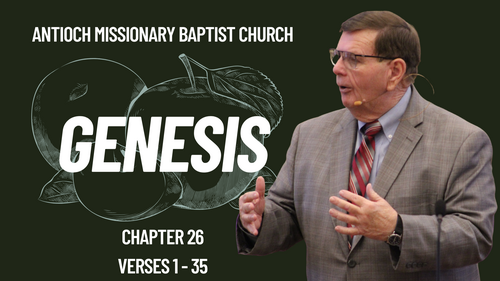
There's something deeply comforting about discovering that the heroes of faith weren't perfect. When we open Genesis 26—the only chapter devoted entirely to Isaac's life—we don't find a spotless saint. Instead, we encounter a man wrestling with fear, making questionable decisions, and yet somehow remaining in God's redemptive plan.
This raises a question that echoes through the corridors of every believer's heart: Can God use flawed people?
This raises a question that echoes through the corridors of every believer's heart: Can God use flawed people?
The Weight of an Impossible Legacy
Picture Isaac at around 80 years old. His father Abraham has passed away, leaving behind an extraordinary legacy of faith. The promise God made to Abraham—that through his descendants all nations would be blessed—now rests on Isaac's shoulders. But the circumstances look bleak.
A famine strikes the land. Isaac has twin sons, Jacob and Esau, who despise each other. The family dynamics are fractured. The birthright has been manipulated. Everything that should be going right seems to be going wrong.
In moments like these, doubt creeps in. We look at our own failures, our broken relationships, our inability to live up to what we know is right, and we wonder: Can God really work through someone like me?
A famine strikes the land. Isaac has twin sons, Jacob and Esau, who despise each other. The family dynamics are fractured. The birthright has been manipulated. Everything that should be going right seems to be going wrong.
In moments like these, doubt creeps in. We look at our own failures, our broken relationships, our inability to live up to what we know is right, and we wonder: Can God really work through someone like me?
When Fear Overrides Faith
As Isaac moves toward Philistine territory during the famine, God appears to him with clear instructions: "Don't go down to Egypt. Stay in the land I show you. I will be with you and bless you."
Isaac obeys—partially. He stays in Gerar, but when the Philistine men notice his beautiful wife Rebekah, fear grips him. Sound familiar? It should. His father Abraham had pulled the exact same stunt years earlier, claiming Sarah was his sister to protect himself.
Isaac tells the Philistines that Rebekah is his sister, not his wife. He's afraid they'll kill him to take her. Here's a man who just heard directly from God, who received divine promises, and yet he doesn't trust God enough to protect him from potential harm.
King Abimelech eventually catches Isaac in his lie, exposing his deception before the very people Isaac was trying to impress. There he stands—guilty, ashamed, caught in his faithlessness.
Isaac obeys—partially. He stays in Gerar, but when the Philistine men notice his beautiful wife Rebekah, fear grips him. Sound familiar? It should. His father Abraham had pulled the exact same stunt years earlier, claiming Sarah was his sister to protect himself.
Isaac tells the Philistines that Rebekah is his sister, not his wife. He's afraid they'll kill him to take her. Here's a man who just heard directly from God, who received divine promises, and yet he doesn't trust God enough to protect him from potential harm.
King Abimelech eventually catches Isaac in his lie, exposing his deception before the very people Isaac was trying to impress. There he stands—guilty, ashamed, caught in his faithlessness.
Can God use someone who lies when afraid? Someone who trusts their own schemes more than divine promises?
The Miraculous Answer
Here's where the story takes a stunning turn. Despite Isaac's failure, God pours out blessing upon blessing. Isaac plants crops, and they yield a hundredfold—double the normal harvest. His flocks multiply. His household prospers so abundantly that the Philistines become jealous.
God is making a statement to Isaac, to the Philistines, and to us: "I can use imperfect people. Your failure doesn't disqualify you from My purposes."
If God could only use perfect people, He couldn't use anyone. Every person in Scripture who accomplished anything for God did so as a flawed human being. Moses had a temper. David committed adultery and murder. Peter denied Christ three times. Paul persecuted Christians.
Yet God used them all.
Here's where the story takes a stunning turn. Despite Isaac's failure, God pours out blessing upon blessing. Isaac plants crops, and they yield a hundredfold—double the normal harvest. His flocks multiply. His household prospers so abundantly that the Philistines become jealous.
God is making a statement to Isaac, to the Philistines, and to us: "I can use imperfect people. Your failure doesn't disqualify you from My purposes."
If God could only use perfect people, He couldn't use anyone. Every person in Scripture who accomplished anything for God did so as a flawed human being. Moses had a temper. David committed adultery and murder. Peter denied Christ three times. Paul persecuted Christians.
Yet God used them all.
The Path Back: Returning to the Wells
After Isaac's blessing creates tension with the Philistines, he begins a journey that holds profound spiritual significance. He starts reopening the wells that his father Abraham had dug—wells that the Philistines had stopped up after Abraham's death.
This isn't just about finding water. It's about returning to what he knew was right.
The first well he reopens is a well of living water—rare in the desert, a picture of spiritual refreshment. But the Philistines quarrel over it. So Isaac moves on. At the second well, more conflict. He names it "Sitnah," meaning enmity. Still, he doesn't fight back. He moves again.
Finally, at the third well, there's peace. He calls it "Rehoboth," meaning spaciousness, saying, "Now the LORD has made room for us."
Here's the pattern for anyone who's wandered from God: Go back to what you know is right. Return to the practices, the relationships, the spiritual disciplines you've abandoned. Reconnect with your church family. Re-engage with godly friends. Return to worship.
The enemy will tell you that you can't go back, that people will judge you, that you've gone too far. But that's a lie designed to keep you from the very place where healing happens.
Yes, you'll face opposition. The devil doesn't bother people who are far from God—they're right where he wants them. But when you start moving back toward living water, expect resistance. Keep moving anyway.
This isn't just about finding water. It's about returning to what he knew was right.
The first well he reopens is a well of living water—rare in the desert, a picture of spiritual refreshment. But the Philistines quarrel over it. So Isaac moves on. At the second well, more conflict. He names it "Sitnah," meaning enmity. Still, he doesn't fight back. He moves again.
Finally, at the third well, there's peace. He calls it "Rehoboth," meaning spaciousness, saying, "Now the LORD has made room for us."
Here's the pattern for anyone who's wandered from God: Go back to what you know is right. Return to the practices, the relationships, the spiritual disciplines you've abandoned. Reconnect with your church family. Re-engage with godly friends. Return to worship.
The enemy will tell you that you can't go back, that people will judge you, that you've gone too far. But that's a lie designed to keep you from the very place where healing happens.
Yes, you'll face opposition. The devil doesn't bother people who are far from God—they're right where he wants them. But when you start moving back toward living water, expect resistance. Keep moving anyway.
The Altar of True Worship
Isaac's journey culminates at Beersheba, a place saturated with family history—where God had met with Abraham. And there, the LORD appears to Isaac again: "I am the God of your father Abraham. Do not fear, for I am with you. I will bless you."
Isaac's response? He builds an altar and worships.
An altar represents the place where we recognize our need for a Savior, where we acknowledge that our hope rests entirely in what God has done, not in what we can do. For us, that altar is the cross of Jesus Christ—the place where provision was made for every failure, every sin, every shortcoming.
True worship flows from hearts that have returned to the altar, from lives that have been refreshed by living water, from people who know they have no hope except in Christ alone.
Isaac's response? He builds an altar and worships.
An altar represents the place where we recognize our need for a Savior, where we acknowledge that our hope rests entirely in what God has done, not in what we can do. For us, that altar is the cross of Jesus Christ—the place where provision was made for every failure, every sin, every shortcoming.
True worship flows from hearts that have returned to the altar, from lives that have been refreshed by living water, from people who know they have no hope except in Christ alone.
When the World Takes Notice
The story ends with a remarkable scene. King Abimelech—the same king who caught Isaac in his lie—comes to Isaac with his advisors and says, "We have clearly seen that the LORD is with you."
They ask for a peace treaty. They want to be aligned with someone who is so obviously blessed by God.
This is the power of a transformed life. When believers return to genuine worship, when we live authentically before God, the watching world notices. They don't need us to beg them to come to church. They see something valuable in lives surrendered to Christ.
People already know they're sinners. What they need to see is what to do about it. They need to witness lives that have been genuinely changed.
They ask for a peace treaty. They want to be aligned with someone who is so obviously blessed by God.
This is the power of a transformed life. When believers return to genuine worship, when we live authentically before God, the watching world notices. They don't need us to beg them to come to church. They see something valuable in lives surrendered to Christ.
People already know they're sinners. What they need to see is what to do about it. They need to witness lives that have been genuinely changed.
The Answer to Our Question
So can God use flawed people? Genesis 26 shouts a resounding yes.
God used Isaac—fearful, deceptive Isaac—to continue the line that would eventually bring Jesus Christ into the world. He blessed Isaac abundantly. He drew Isaac back when he wandered. He made Isaac's life a testimony to the surrounding nations.
The same God who worked through Isaac's imperfections can work through yours.
Perhaps you've never truly surrendered your life to Christ. Today can be the day you trust His word and become part of His family.
Or perhaps you're a believer who's wandered away, who feels too far gone, too flawed to be useful. Return to the old paths. Come back to the altar. God hasn't forgotten you. His love isn't based on your performance but on His grace.
No one has gone so far that God cannot use them. The only question is: Will you let Him?
God used Isaac—fearful, deceptive Isaac—to continue the line that would eventually bring Jesus Christ into the world. He blessed Isaac abundantly. He drew Isaac back when he wandered. He made Isaac's life a testimony to the surrounding nations.
The same God who worked through Isaac's imperfections can work through yours.
Perhaps you've never truly surrendered your life to Christ. Today can be the day you trust His word and become part of His family.
Or perhaps you're a believer who's wandered away, who feels too far gone, too flawed to be useful. Return to the old paths. Come back to the altar. God hasn't forgotten you. His love isn't based on your performance but on His grace.
No one has gone so far that God cannot use them. The only question is: Will you let Him?
Watch the full sermon here:
Recent Takeaways
Archive
2026
January
October
2025
March
September
October
November
No Comments