
Sermon Takeaway 02/15/2026

When God Works Through Our Mess: Lessons from a Dysfunctional Family
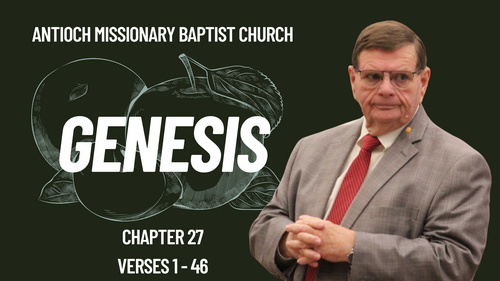
The story of Isaac, Rebekah, Esau, and Jacob reads like a script from a daytime drama. Deception, favoritism, manipulation, and threats of murder—all within one family unit. Yet remarkably, this is the very family through whom God chose to work out His redemptive plan for humanity. If that doesn't give us hope about our own imperfect circumstances, nothing will.
A Family Portrait of Dysfunction
Picture the scene: Isaac, now between 150 and 160 years old, has lost his eyesight and much of his vigor. Believing death is near (though he actually has another twenty years to live), he calls his favorite son, Esau, to his bedside. His request? Prepare me a savory meal of venison, and then I'll give you the blessing.
There's just one problem. God had already made it clear that the younger son, Jacob, was to receive the blessing. Isaac knew this. Rebekah knew this. But Isaac preferred Esau—the outdoorsman, the hunter, the one who satisfied his appetite with wild game. And so Isaac decided to override God's plan with his own preference.
Meanwhile, Rebekah overhears the conversation through the porous tent walls. She has her own favorite—Jacob—and she's determined to ensure God's plan comes to pass. But rather than trusting God to work things out, she concocts an elaborate scheme involving goat meat, goat skins, and borrowed clothing. She convinces Jacob to impersonate his brother and deceive his blind father.
Jacob's response is telling. He doesn't object on moral grounds. He doesn't say, "Mother, this is wrong—we'd be lying to Father and misusing God's name." Instead, his concern is purely practical: "I might get caught."
There's just one problem. God had already made it clear that the younger son, Jacob, was to receive the blessing. Isaac knew this. Rebekah knew this. But Isaac preferred Esau—the outdoorsman, the hunter, the one who satisfied his appetite with wild game. And so Isaac decided to override God's plan with his own preference.
Meanwhile, Rebekah overhears the conversation through the porous tent walls. She has her own favorite—Jacob—and she's determined to ensure God's plan comes to pass. But rather than trusting God to work things out, she concocts an elaborate scheme involving goat meat, goat skins, and borrowed clothing. She convinces Jacob to impersonate his brother and deceive his blind father.
Jacob's response is telling. He doesn't object on moral grounds. He doesn't say, "Mother, this is wrong—we'd be lying to Father and misusing God's name." Instead, his concern is purely practical: "I might get caught."
The Cost of Taking Matters Into Our Own Hands
The deception succeeds. Isaac, fooled by the feel of goat hair, the smell of Esau's clothing, and a meal that tastes right, bestows the irrevocable blessing upon Jacob. The prophetic words are spoken: Jacob will rule over his brothers, and those who curse him will be cursed while those who bless him will be blessed.
Almost immediately, Esau returns with his legitimate meal. The discovery is made. Isaac trembles—not from anger, but from the realization that he has disobeyed God by attempting to give the blessing to the wrong son. Esau weeps bitterly, begging for a blessing of his own. Isaac can offer only a secondary blessing, one that includes the painful prophecy that Esau will serve his brother and that violence will eventually break out between them.
Esau's response is immediate and public: "I will kill my brother Jacob." This isn't an empty threat muttered in a moment of rage. This is a grown man, around one hundred years old, with wives and families of his own, declaring his murderous intent for all to hear.
Rebekah, hearing the threat, sends Jacob away to her family in Haran—supposedly for a short time until Esau's anger cools. She never sees her beloved son again. The scheming that was meant to secure God's blessing for her favorite child costs her the very relationship she treasured most.
Almost immediately, Esau returns with his legitimate meal. The discovery is made. Isaac trembles—not from anger, but from the realization that he has disobeyed God by attempting to give the blessing to the wrong son. Esau weeps bitterly, begging for a blessing of his own. Isaac can offer only a secondary blessing, one that includes the painful prophecy that Esau will serve his brother and that violence will eventually break out between them.
Esau's response is immediate and public: "I will kill my brother Jacob." This isn't an empty threat muttered in a moment of rage. This is a grown man, around one hundred years old, with wives and families of his own, declaring his murderous intent for all to hear.
Rebekah, hearing the threat, sends Jacob away to her family in Haran—supposedly for a short time until Esau's anger cools. She never sees her beloved son again. The scheming that was meant to secure God's blessing for her favorite child costs her the very relationship she treasured most.
God's Sovereignty in Human Chaos
Here's where the story becomes truly remarkable. Despite all the manipulation, deception, favoritism, and sin, God's plan unfolds exactly as He intended. The blessing goes to Jacob. The nation of Israel emerges from his lineage. The Messiah eventually comes through this family line.
God didn't need Rebekah's help. He didn't require Isaac's cooperation. He could have executed His plan perfectly without any of their toxic interference. But here's the stunning truth: their mistakes didn't derail God's purposes.
This is the doctrine of election at work—not in the sense of God arbitrarily choosing individuals for salvation or damnation, but in the sense of God sovereignly working out His redemptive plan through nations and peoples, despite human failure. When the scripture says "Jacob I loved, but Esau I hated," it speaks primarily of the nations that would descend from them—Israel and Edom—and their respective roles in God's plan.
The conflict we see between these brothers continues to this day in the tensions between their descendants. The hostility between the Arab and Jewish peoples traces directly back to this ancient family drama. God knew it would happen. He factored it into His plan. And still, His purposes march forward.
God didn't need Rebekah's help. He didn't require Isaac's cooperation. He could have executed His plan perfectly without any of their toxic interference. But here's the stunning truth: their mistakes didn't derail God's purposes.
This is the doctrine of election at work—not in the sense of God arbitrarily choosing individuals for salvation or damnation, but in the sense of God sovereignly working out His redemptive plan through nations and peoples, despite human failure. When the scripture says "Jacob I loved, but Esau I hated," it speaks primarily of the nations that would descend from them—Israel and Edom—and their respective roles in God's plan.
The conflict we see between these brothers continues to this day in the tensions between their descendants. The hostility between the Arab and Jewish peoples traces directly back to this ancient family drama. God knew it would happen. He factored it into His plan. And still, His purposes march forward.
The Devil's Losing Battle
Behind the scenes of this family chaos, another drama unfolds. The enemy of God works to sabotage the divine plan, planting ideas in the minds of Isaac and Rebekah, exploiting their weaknesses and preferences, stoking the flames of family conflict.
But here's the critical truth: the devil never trumps God. He's always playing catch-up, always reacting, never truly ahead. God knows the end from the beginning. Satan only knows what has happened up until now. Every scheme the enemy devises ultimately serves God's greater purpose.
But here's the critical truth: the devil never trumps God. He's always playing catch-up, always reacting, never truly ahead. God knows the end from the beginning. Satan only knows what has happened up until now. Every scheme the enemy devises ultimately serves God's greater purpose.
What This Means for Us
If God can work through this spectacularly dysfunctional family to accomplish His redemptive purposes, what does that say about His ability to work in our lives?
Many people today live under the burden of past mistakes, believing they've disqualified themselves from being used by God. They think their failures have permanently derailed God's plan for their lives. This story demolishes that lie.
God can cause even evil circumstances to turn out for good. Our mistakes do not cause God's plans to fail. He is already working out His sovereign will in this world and in your life, whether you fully cooperate or not.
But—and this is crucial—there is a better way.
Many people today live under the burden of past mistakes, believing they've disqualified themselves from being used by God. They think their failures have permanently derailed God's plan for their lives. This story demolishes that lie.
God can cause even evil circumstances to turn out for good. Our mistakes do not cause God's plans to fail. He is already working out His sovereign will in this world and in your life, whether you fully cooperate or not.
But—and this is crucial—there is a better way.
The Path of Trust and Obedience
While God can work through our failures, the best path is always trust and obedience. Imagine how different things could have been for this family:
If Isaac and Rebekah had loved both sons equally, without favoritism, the family dynamic would have been healthy rather than toxic. If Isaac had submitted to God's revealed plan instead of his own preferences, there would have been no need for deception. If Rebekah had trusted God to work out His purposes without her schemes, she wouldn't have lost her son. If Esau had accepted God's plan with grace, there would have been no murderous hatred.
The disharmony, the deception, the broken relationships—all of it could have been avoided through simple trust and obedience.
If Isaac and Rebekah had loved both sons equally, without favoritism, the family dynamic would have been healthy rather than toxic. If Isaac had submitted to God's revealed plan instead of his own preferences, there would have been no need for deception. If Rebekah had trusted God to work out His purposes without her schemes, she wouldn't have lost her son. If Esau had accepted God's plan with grace, there would have been no murderous hatred.
The disharmony, the deception, the broken relationships—all of it could have been avoided through simple trust and obedience.
Finding and Following God's Plan
So what is God's plan for your life? How do you discover it?
The answer is simpler than we often make it: read the Bible. As you immerse yourself in God's Word, He will speak to you and reveal His desires for your life. You'll begin to understand His character, His values, His priorities. And as you understand these things, you'll begin to see how they apply to your specific circumstances.
Then comes the decision point—the same decision Isaac, Rebekah, Esau, and Jacob faced: Will you follow God's plan, or will you try to help Him out? Will you trust Him even when the circumstances seem impossible, or will you take matters into your own hands?
Most of our problems arise because we try to help God rather than simply submitting to Him. We think we need to understand every detail, see the complete picture, know exactly how things will work out. But that's not faith. Faith is trusting God in the midst of uncertainty.
The answer is simpler than we often make it: read the Bible. As you immerse yourself in God's Word, He will speak to you and reveal His desires for your life. You'll begin to understand His character, His values, His priorities. And as you understand these things, you'll begin to see how they apply to your specific circumstances.
Then comes the decision point—the same decision Isaac, Rebekah, Esau, and Jacob faced: Will you follow God's plan, or will you try to help Him out? Will you trust Him even when the circumstances seem impossible, or will you take matters into your own hands?
Most of our problems arise because we try to help God rather than simply submitting to Him. We think we need to understand every detail, see the complete picture, know exactly how things will work out. But that's not faith. Faith is trusting God in the midst of uncertainty.
Do What You Can Do Today
Here's the practical application: Don't worry about the things you can't do. Don't make serving God unnecessarily complicated by inventing difficult tasks you must accomplish before you can fully follow Him. Instead, do today what you can do.
Submit to God today. Ask Him to show you His will today. Take the next simple step of obedience today. Don't wait until you have everything figured out. Don't delay until circumstances are perfect. Just do the thing you know to do right now.
God is at work in your life. He wants to use you to carry out His plan. You can be used by God—flaws and all. The question is: Will you trust Him enough to let Him work? Will you submit your will to His, even when you don't understand? Will you obey what He's clearly revealed, even when it's difficult?
The great God of the universe, the Creator of heaven and earth who can do all things, is worthy of your trust. He proved it by working through a dysfunctional family to bring salvation to the world. He can certainly work through your imperfect life to accomplish His purposes.
The only question is: Will you let Him?
Submit to God today. Ask Him to show you His will today. Take the next simple step of obedience today. Don't wait until you have everything figured out. Don't delay until circumstances are perfect. Just do the thing you know to do right now.
God is at work in your life. He wants to use you to carry out His plan. You can be used by God—flaws and all. The question is: Will you trust Him enough to let Him work? Will you submit your will to His, even when you don't understand? Will you obey what He's clearly revealed, even when it's difficult?
The great God of the universe, the Creator of heaven and earth who can do all things, is worthy of your trust. He proved it by working through a dysfunctional family to bring salvation to the world. He can certainly work through your imperfect life to accomplish His purposes.
The only question is: Will you let Him?
Watch the full sermon here:
Recent Takeaways
Archive
2026
January
October
2025
March
September
October
November
No Comments