
Sermon Takeaway 05/03/2026

The Journey from Self-Reliance to Complete Dependence on God
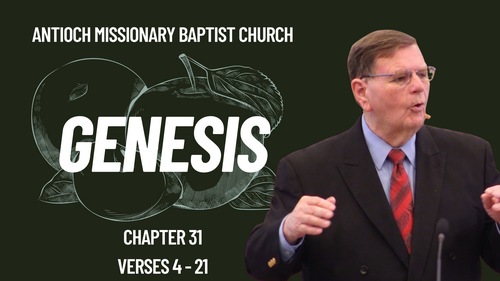
The story of Jacob stands as one of the most compelling narratives of spiritual transformation in all of Scripture. Here was a man who entered the world grasping, scheming, and manipulating—a picture of humanity's fallen nature in its rawest form. Yet through decades of divine intervention, this conniving deceiver became Israel, a man who walked intimately with God.
Jacob's journey mirrors our own. We all enter this world with selfish desires, determined to be our own gods, to secure our own futures, to grab what we can from life. But God has a different plan—one that requires us to lose everything we think we need so we can gain the one thing we truly cannot live without: Him.
Jacob's journey mirrors our own. We all enter this world with selfish desires, determined to be our own gods, to secure our own futures, to grab what we can from life. But God has a different plan—one that requires us to lose everything we think we need so we can gain the one thing we truly cannot live without: Him.
The Man Who Had to Lose Everything
When Jacob fled from his brother Esau's murderous rage, he left behind everything. This wasn't just a geographical journey from Canaan to Haran; it was a spiritual exodus from self-sufficiency to God-dependence. At seventy-seven years old, Jacob walked away from his father Isaac's vast wealth—the fields, livestock, servants, and inheritance that should have been his.
He left with nothing but the clothes on his back and a promise from God spoken at Bethel, the "house of God." There, God had opened heaven and shown Jacob a ladder with angels ascending and descending, declaring His covenant faithfulness. Twenty years would pass before Jacob would return, and those two decades would fundamentally remake him.
The lesson is profound: God had to separate Jacob from the things of God so Jacob could learn to want God Himself. We make the same mistake constantly. We want God's blessings, God's provision, God's protection—but do we want God? We treat the Almighty as a cosmic vending machine, inserting our prayers and expecting our desired outcomes.
But spiritual maturity doesn't work that way. You cannot substitute the things of God for God Himself. The moment you place your faith, hope, and trust in God's gifts rather than in God, those gifts become idols.
He left with nothing but the clothes on his back and a promise from God spoken at Bethel, the "house of God." There, God had opened heaven and shown Jacob a ladder with angels ascending and descending, declaring His covenant faithfulness. Twenty years would pass before Jacob would return, and those two decades would fundamentally remake him.
The lesson is profound: God had to separate Jacob from the things of God so Jacob could learn to want God Himself. We make the same mistake constantly. We want God's blessings, God's provision, God's protection—but do we want God? We treat the Almighty as a cosmic vending machine, inserting our prayers and expecting our desired outcomes.
But spiritual maturity doesn't work that way. You cannot substitute the things of God for God Himself. The moment you place your faith, hope, and trust in God's gifts rather than in God, those gifts become idols.
The Test of the Rich Young Ruler
Jesus understood this principle perfectly. When the rich young ruler came asking what he must do to inherit eternal life, Jesus cut to the heart of the matter: "Go, sell everything you have and give to the poor, and you will have treasure in heaven. Then come, follow me."
Jesus wasn't establishing a universal requirement of poverty for discipleship. He was exposing what stood between this man and the kingdom of God. His possessions weren't just things he owned—they owned him. Until he could release them, he could never grasp Christ.
The same challenge confronts us. What are you unwilling to release? What possession, relationship, dream, or security blanket stands between you and complete surrender to God? Until you can write your name on the signature line of faith's check and let God fill in the amount, you'll never experience the fullness of what He offers.
Jesus wasn't establishing a universal requirement of poverty for discipleship. He was exposing what stood between this man and the kingdom of God. His possessions weren't just things he owned—they owned him. Until he could release them, he could never grasp Christ.
The same challenge confronts us. What are you unwilling to release? What possession, relationship, dream, or security blanket stands between you and complete surrender to God? Until you can write your name on the signature line of faith's check and let God fill in the amount, you'll never experience the fullness of what He offers.
The Crucifixion of the Old Man
For Jacob, the transformation required crucifying his old nature. The Bible teaches that when we accept Christ, our old man dies on the cross with Him, and a new creation emerges. But here's the tension: that old man may be positionally dead, but he doesn't feel dead. He keeps showing up, whispering his demands, asserting his rights, questioning God's goodness.
Jacob spent twenty years learning to silence that voice. He served seven years for Rachel, only to wake up married to Leah through Laban's deception. The old Jacob would have schemed his way out, manipulated circumstances, taken revenge. But this Jacob submitted to injustice. He served another seven years, then six more, allowing God to work through unfair circumstances.
This is the path of spiritual maturity—submitting to what seems wrong, trusting God in the midst of injustice, believing that the God who sees is working all things together for good. It's not easy. Crucifixion never is. But it's the only way the old nature dies and the new nature emerges.
Jacob spent twenty years learning to silence that voice. He served seven years for Rachel, only to wake up married to Leah through Laban's deception. The old Jacob would have schemed his way out, manipulated circumstances, taken revenge. But this Jacob submitted to injustice. He served another seven years, then six more, allowing God to work through unfair circumstances.
This is the path of spiritual maturity—submitting to what seems wrong, trusting God in the midst of injustice, believing that the God who sees is working all things together for good. It's not easy. Crucifixion never is. But it's the only way the old nature dies and the new nature emerges.
What Jacob Lost and What He Gained
By the time God called Jacob to return to Canaan, he had lost his pride, his self-reliance, his need to manipulate outcomes. He had lost his dependence on family connections and earthly possessions. He had lost the illusion that he could secure his own future.
But oh, what he gained.
He gained the personal presence of God. In Genesis 31:11-13, the angel of the Lord—a pre-incarnate appearance of Christ—spoke to Jacob by name: "Jacob... I am the God of Bethel." Not "hey you" or some generic address, but his name. God knew him personally, intimately, specifically.
This is what spiritual maturity brings: a personal relationship with the God of the universe who calls you by name. Not a distant deity managing the cosmos from afar, but a present Father who speaks into your life through circumstances, through other believers, through His Word, through that still small voice in your spirit.
Jacob gained a family that respected him. When he told Rachel and Leah it was time to leave Laban, they responded with complete trust: "Whatever God has said to you, do it." This lying, conniving man had become someone others recognized as hearing from heaven.
He gained twelve children who would become the twelve tribes of Israel. He gained flocks and herds beyond measure—not because he schemed for them, but because God rewarded his faithful service. He gained spiritual eyes to see God at work in his life.
Most importantly, he gained God Himself. And when you have God, you have everything.
But oh, what he gained.
He gained the personal presence of God. In Genesis 31:11-13, the angel of the Lord—a pre-incarnate appearance of Christ—spoke to Jacob by name: "Jacob... I am the God of Bethel." Not "hey you" or some generic address, but his name. God knew him personally, intimately, specifically.
This is what spiritual maturity brings: a personal relationship with the God of the universe who calls you by name. Not a distant deity managing the cosmos from afar, but a present Father who speaks into your life through circumstances, through other believers, through His Word, through that still small voice in your spirit.
Jacob gained a family that respected him. When he told Rachel and Leah it was time to leave Laban, they responded with complete trust: "Whatever God has said to you, do it." This lying, conniving man had become someone others recognized as hearing from heaven.
He gained twelve children who would become the twelve tribes of Israel. He gained flocks and herds beyond measure—not because he schemed for them, but because God rewarded his faithful service. He gained spiritual eyes to see God at work in his life.
Most importantly, he gained God Himself. And when you have God, you have everything.
The Call to Spiritual Maturity
The question confronting each of us is simple but profound: Are you being changed? Is the process of spiritual maturity happening in your life, or are you stuck in the same patterns, the same struggles, the same spiritual infancy you've always known?
You cannot mature spiritually through your own effort. You cannot read the Bible enough, pray enough, attend church enough, or sing enough songs to transform yourself. Spiritual growth is a supernatural work that requires the supernatural power of God operating in your life.
But it also requires your cooperation. It requires willingness to release what you're clinging to. It requires faith to believe that God alone is sufficient. It requires humility to submit to circumstances that seem unfair. It requires patience to endure the twenty-year journeys God sometimes ordains.
The God who transformed Jacob wants to transform you. He wants to take you from despicable to devoted, from selfish to surrendered, from self-reliant to God-dependent. He wants to call you by name and make His presence so real in your life that you cannot imagine going anywhere without Him.
This is not about waiting for eternity. This is about standing in eternity now, experiencing the reality of God's presence today, being changed from glory to glory into the image of Christ.
You cannot mature spiritually through your own effort. You cannot read the Bible enough, pray enough, attend church enough, or sing enough songs to transform yourself. Spiritual growth is a supernatural work that requires the supernatural power of God operating in your life.
But it also requires your cooperation. It requires willingness to release what you're clinging to. It requires faith to believe that God alone is sufficient. It requires humility to submit to circumstances that seem unfair. It requires patience to endure the twenty-year journeys God sometimes ordains.
The God who transformed Jacob wants to transform you. He wants to take you from despicable to devoted, from selfish to surrendered, from self-reliant to God-dependent. He wants to call you by name and make His presence so real in your life that you cannot imagine going anywhere without Him.
This is not about waiting for eternity. This is about standing in eternity now, experiencing the reality of God's presence today, being changed from glory to glory into the image of Christ.
The journey requires losing everything you think you need. But what you gain is worth infinitely more than what you lose. You gain God Himself—and when you have Him, you have everything that truly matters.
Watch the full sermon here:
Recent Takeaways
Archive
2026
January
2025
March
September
October
November
No Comments