
Sermon Takeaway 05/10/2026

When Life Feels Unfair: Finding God's Presence in the Valley
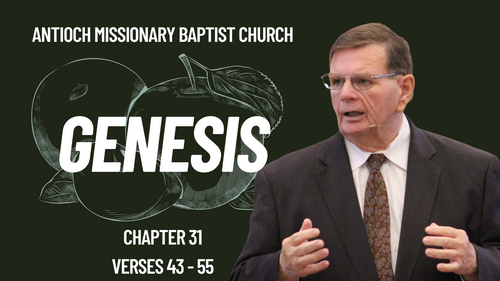
The question haunts us in our darkest moments: Is God fair?
We look around at a world that seems tilted on its axis. Good people suffer while the wicked prosper. Hard work goes unrewarded while others coast to success. Loved ones battle illness while the careless remain healthy. The scales of justice appear broken, and we wonder if anyone is watching, if anyone cares.
But perhaps we're asking the wrong question.
We look around at a world that seems tilted on its axis. Good people suffer while the wicked prosper. Hard work goes unrewarded while others coast to success. Loved ones battle illness while the careless remain healthy. The scales of justice appear broken, and we wonder if anyone is watching, if anyone cares.
But perhaps we're asking the wrong question.
The Real Question About Fairness
The truth is, this world isn't fair—it never has been. We live in a sin-cursed reality where every person enters life with a broken nature, where circumstances conspire against us, where injustice runs rampant. The world's unfairness isn't a mystery; it's a certainty.
The better question is this: Can God make this unfair world right?
The story of Jacob and Laban in Genesis 31 provides a powerful answer. Here we find Jacob, a man who had worked twenty years for his father-in-law Laban—fourteen years to earn his wives, six more years to build his own flocks. Throughout this time, Laban manipulated him, changed his wages, and kept him from building wealth. Jacob had started with nothing but the clothes on his back when he fled his homeland, and now, after two decades of labor, he faced the prospect of losing everything again.
Laban pursued Jacob with a band of rough men, intent on stripping him of his family and possessions. The situation was dire. Jacob had no military strength to resist. The playing field was anything but level.
Then God intervened.
The better question is this: Can God make this unfair world right?
The story of Jacob and Laban in Genesis 31 provides a powerful answer. Here we find Jacob, a man who had worked twenty years for his father-in-law Laban—fourteen years to earn his wives, six more years to build his own flocks. Throughout this time, Laban manipulated him, changed his wages, and kept him from building wealth. Jacob had started with nothing but the clothes on his back when he fled his homeland, and now, after two decades of labor, he faced the prospect of losing everything again.
Laban pursued Jacob with a band of rough men, intent on stripping him of his family and possessions. The situation was dire. Jacob had no military strength to resist. The playing field was anything but level.
Then God intervened.
When God Steps Into the Arena
The night before Laban caught up with Jacob, God appeared to him in a dream with a simple, powerful message: "Leave him alone. Don't say anything to him, good or bad. That's my person."
God leveled the playing field.
When Laban finally confronted Jacob, hurling false accusations and searching frantically for his stolen household gods, he found nothing. Jacob's righteous anger erupted—twenty years of frustration pouring out in a torrent of justified indignation. He laid bare every injustice, every manipulation, every unfair circumstance.
And Laban, undaunted and unrepentant, still claimed ownership: "These are my daughters, my grandchildren, my flocks." Even in defeat, he couldn't acknowledge the wrong he'd done.
But here's what matters: God had drawn a line. He established a covenant marked by stones—a witness between the old life and the new, between the world's unfairness and God's righteousness. That barrier declared to the universe: "This is my child. This world cannot ultimately harm what I have claimed."
God leveled the playing field.
When Laban finally confronted Jacob, hurling false accusations and searching frantically for his stolen household gods, he found nothing. Jacob's righteous anger erupted—twenty years of frustration pouring out in a torrent of justified indignation. He laid bare every injustice, every manipulation, every unfair circumstance.
And Laban, undaunted and unrepentant, still claimed ownership: "These are my daughters, my grandchildren, my flocks." Even in defeat, he couldn't acknowledge the wrong he'd done.
But here's what matters: God had drawn a line. He established a covenant marked by stones—a witness between the old life and the new, between the world's unfairness and God's righteousness. That barrier declared to the universe: "This is my child. This world cannot ultimately harm what I have claimed."
The Altar Already Built
That ancient pile of stones pointed forward to a greater altar, built two thousand years ago on a hill called Calvary. There, God established the ultimate witness—a covenant sealed in blood that declares His children righteous, protected, and eternally secure.
What this unfair world tries to take from you cannot be stolen if God has given it. The devil may claim this world as his domain, but God responds: "No, this is my world. I created it. I purchased it. And these people have accepted my provision—they are mine."
In an unfair world, God is watching. He is working. He is making a way. And if not in this temporary life, then certainly in eternity, He will make all things right.
What this unfair world tries to take from you cannot be stolen if God has given it. The devil may claim this world as his domain, but God responds: "No, this is my world. I created it. I purchased it. And these people have accepted my provision—they are mine."
In an unfair world, God is watching. He is working. He is making a way. And if not in this temporary life, then certainly in eternity, He will make all things right.
Don't Waste Your Sufferings
But there's a second truth woven through this story, one we often miss in our rush to escape difficulty: Don't waste your sufferings.
Jacob didn't arrive at that moment of divine protection by accident. God had been transforming him through twenty years of hardship. Every unfair circumstance, every manipulation by Laban, every disappointment served a purpose. God was holding up a mirror, showing Jacob who he had been—a selfish schemer—and who he was becoming—a man of God.
The progressive work of sanctification happens most powerfully not on the mountaintops but in the valleys.
This is counterintuitive. We assume spiritual growth comes during those hallelujah moments when we're dancing around the throne of God, enjoying His blessings. Those times are wonderful, but they're also when we're most vulnerable. On the mountaintop, it's easy to shift our focus from God to ourselves, to take credit for what He's done.
In the valley, everything changes. When we're suffering, when life feels impossible, when we can't see the way forward—that's when God speaks loudest. That's when we learn to truly trust Him. That's when we draw closest to His heart.
The sufferings aren't pleasant. They're not comfortable. They often seem counterproductive. But if we'll listen, if we'll lean in instead of pulling away, we'll discover something remarkable: God is using these very circumstances to mature us, to teach us, to draw us near.
Jacob didn't arrive at that moment of divine protection by accident. God had been transforming him through twenty years of hardship. Every unfair circumstance, every manipulation by Laban, every disappointment served a purpose. God was holding up a mirror, showing Jacob who he had been—a selfish schemer—and who he was becoming—a man of God.
The progressive work of sanctification happens most powerfully not on the mountaintops but in the valleys.
This is counterintuitive. We assume spiritual growth comes during those hallelujah moments when we're dancing around the throne of God, enjoying His blessings. Those times are wonderful, but they're also when we're most vulnerable. On the mountaintop, it's easy to shift our focus from God to ourselves, to take credit for what He's done.
In the valley, everything changes. When we're suffering, when life feels impossible, when we can't see the way forward—that's when God speaks loudest. That's when we learn to truly trust Him. That's when we draw closest to His heart.
The sufferings aren't pleasant. They're not comfortable. They often seem counterproductive. But if we'll listen, if we'll lean in instead of pulling away, we'll discover something remarkable: God is using these very circumstances to mature us, to teach us, to draw us near.
The Wrong Question in Suffering
Too many of us waste our suffering by asking, "Why me?"
What we're really saying is, "Why not someone else?" But that's not a Christian thought. The better response is to answer our own question: "Why me? Because God is teaching me. God is leading me. God is training me."
Find someone to pray with you. Do what's necessary to endure. Don't sit in the pity party, wallowing in self-focused misery. Instead, recognize that in this unfair world, God uses difficulty as His primary tool for spiritual formation.
What we're really saying is, "Why not someone else?" But that's not a Christian thought. The better response is to answer our own question: "Why me? Because God is teaching me. God is leading me. God is training me."
Find someone to pray with you. Do what's necessary to endure. Don't sit in the pity party, wallowing in self-focused misery. Instead, recognize that in this unfair world, God uses difficulty as His primary tool for spiritual formation.
The Angels Are Waiting
Here's the beautiful promise hidden in this story: When Jacob finally left that confrontation with Laban and went on his way, the very next thing that happened was this—"the angels of God met him."
When Jacob saw them, he said, "This is God's camp."
Do you see it? The person who endured suffering without wasting it, who allowed God to mature him through difficulty, who learned to trust in the valley—that person discovered something transformative: God isn't far off in some distant heaven. God is here, now, with us.
When God is with us, what can stand against us? When God is for us, who can defeat us? When God walks beside us, we cannot fail to become the people He created us to be.
When Jacob saw them, he said, "This is God's camp."
Do you see it? The person who endured suffering without wasting it, who allowed God to mature him through difficulty, who learned to trust in the valley—that person discovered something transformative: God isn't far off in some distant heaven. God is here, now, with us.
When God is with us, what can stand against us? When God is for us, who can defeat us? When God walks beside us, we cannot fail to become the people He created us to be.
A Fair God in an Unfair World
Yes, this world is unfair. Yes, the wicked sometimes prosper while the righteous suffer. Yes, circumstances often seem stacked against us.
But we have a God who is watching, who is fair, who will ultimately make all things right. We have a God who uses even the unfairness of this world to accomplish His purposes in our lives.
This world is temporary—a mere speck of time compared to eternity. Whether God chooses to level the playing field here or there matters less than this: God is on our side.
But we have a God who is watching, who is fair, who will ultimately make all things right. We have a God who uses even the unfairness of this world to accomplish His purposes in our lives.
This world is temporary—a mere speck of time compared to eternity. Whether God chooses to level the playing field here or there matters less than this: God is on our side.
So when you look at your circumstances and think, "This isn't fair," remember that you're right about the world but wrong about God. He sees. He cares. He's working. And He's inviting you not to waste the suffering but to use it as an opportunity to draw near to Him.
The angels are waiting just beyond your current struggle, ready to reveal that God's camp surrounds you even now.
The angels are waiting just beyond your current struggle, ready to reveal that God's camp surrounds you even now.
Watch the full sermon here:
Recent Takeaways
Archive
2026
January
September
2025
March
September
October
November
No Comments