
Sermon Takeaway 05/15/2026

The Wrestling Match That Changed Everything: From Jacob to Israel
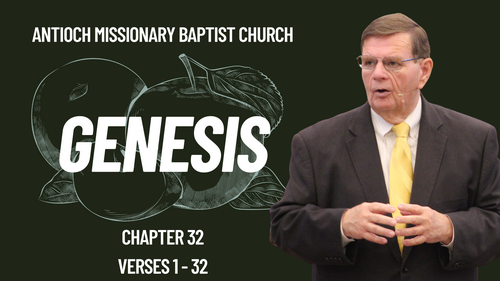
There's something profoundly uncomfortable about looking in a mirror and being honest about what we see. Not the physical reflection, but the spiritual one—the person we've become, the flaws we've hidden, the ways we've manipulated our circumstances to get what we want.
Genesis 32 tells the story of a man forced to face himself, and in doing so, he encountered God in a way that transformed him forever.
Genesis 32 tells the story of a man forced to face himself, and in doing so, he encountered God in a way that transformed him forever.
The Crisis of Coming Home
Jacob was returning home after twenty years away. He hadn't left on vacation—he'd fled for his life. His brother Esau had vowed to kill him, and with good reason. Jacob had stolen Esau's birthright and blessing through deception and manipulation. His very name meant "supplanter," "conniver," "deceiver."
Now, with two wives, two concubines, eleven sons, one daughter, and vast flocks, Jacob was heading back to face the brother he'd wronged. When messengers returned with news that Esau was coming to meet him with four hundred men, terror gripped Jacob's heart.
This is where many of us find ourselves in our spiritual journey—at the crisis point where our past catches up with us, where circumstances force us to confront who we really are.
Now, with two wives, two concubines, eleven sons, one daughter, and vast flocks, Jacob was heading back to face the brother he'd wronged. When messengers returned with news that Esau was coming to meet him with four hundred men, terror gripped Jacob's heart.
This is where many of us find ourselves in our spiritual journey—at the crisis point where our past catches up with us, where circumstances force us to confront who we really are.
The Encouragement Before the Battle
Before Jacob's greatest test, God provided encouragement. Angels surrounded him—a visible reminder that he was not alone, that God had been with him through all twenty years in Haran, through the difficulties with his father-in-law Laban, through the family conflicts and hard labor.
We often forget this truth: we are never alone. God surrounds us with His presence, with spiritual help we cannot see, and with brothers and sisters in Christ who can encourage us. When we walk through difficult circumstances—the challenging job, the difficult relationship, the season of testing—God has not abandoned us. He's using these very circumstances to shape us.
The question is whether we'll recognize His hand at work or simply complain about our discomfort.
We often forget this truth: we are never alone. God surrounds us with His presence, with spiritual help we cannot see, and with brothers and sisters in Christ who can encourage us. When we walk through difficult circumstances—the challenging job, the difficult relationship, the season of testing—God has not abandoned us. He's using these very circumstances to shape us.
The question is whether we'll recognize His hand at work or simply complain about our discomfort.
A Prayer That Got Results
Faced with potential destruction, Jacob did something he'd learned over his twenty years of schooling under God's hand: he prayed. But this wasn't a casual prayer or a list of demands. Jacob prayed God's own words back to Him.
"O God of my father Abraham and God of my father Isaac, the Lord who said to me, 'Return to your country and to your family and I will deal well with you'... Deliver me, I pray, from the hand of my brother, from the hand of Esau, for I fear him."
Jacob had learned to align his prayers with God's will rather than demanding God align with his desires. He acknowledged his unworthiness: "I am not worthy of the least of all the mercies and of all the truth which You have shown Your servant."
This is the prayer of a maturing believer—one who has moved from knowing about God to truly knowing Him, from demanding blessings to recognizing he already has more than he deserves.
"O God of my father Abraham and God of my father Isaac, the Lord who said to me, 'Return to your country and to your family and I will deal well with you'... Deliver me, I pray, from the hand of my brother, from the hand of Esau, for I fear him."
Jacob had learned to align his prayers with God's will rather than demanding God align with his desires. He acknowledged his unworthiness: "I am not worthy of the least of all the mercies and of all the truth which You have shown Your servant."
This is the prayer of a maturing believer—one who has moved from knowing about God to truly knowing Him, from demanding blessings to recognizing he already has more than he deserves.
The Evidence of Change
After praying, Jacob took action that demonstrated how much he'd changed. He sent five separate flocks ahead to Esau, each with a message: "They are your servant Jacob's. It is a present sent to my lord Esau."
Notice the language: "my lord Esau" and "your servant Jacob." The man who had stolen from his brother was now giving generously. The man who had exalted himself was now humbling himself. The taker had become a giver.
This is what genuine transformation looks like. It's not just feeling sorry for past wrongs; it's making restitution where possible and demonstrating through actions that real change has occurred.
Notice the language: "my lord Esau" and "your servant Jacob." The man who had stolen from his brother was now giving generously. The man who had exalted himself was now humbling himself. The taker had become a giver.
This is what genuine transformation looks like. It's not just feeling sorry for past wrongs; it's making restitution where possible and demonstrating through actions that real change has occurred.
The Wrestling Match
That night, after sending his family across the brook Jabbok, Jacob was alone. And there, in the darkness, a man wrestled with him until daybreak.
This wasn't an ordinary wrestling match. Jacob was wrestling with God Himself, appearing in human form. All night they struggled, and when the divine wrestler saw that Jacob wouldn't quit, He touched Jacob's hip, dislocating it.
Still, Jacob held on.
"Let Me go, for the day breaks," the man said.
Jacob's response reveals everything about his spiritual growth: "I will not let You go unless You bless me!"
Jacob had finally learned the fundamental truth every believer must embrace: apart from God, we have nothing. Our sufficiency is not in ourselves but in Him alone. No matter the pain, no matter the struggle, we must cling to God because He is our only source of blessing.
This wasn't an ordinary wrestling match. Jacob was wrestling with God Himself, appearing in human form. All night they struggled, and when the divine wrestler saw that Jacob wouldn't quit, He touched Jacob's hip, dislocating it.
Still, Jacob held on.
"Let Me go, for the day breaks," the man said.
Jacob's response reveals everything about his spiritual growth: "I will not let You go unless You bless me!"
Jacob had finally learned the fundamental truth every believer must embrace: apart from God, we have nothing. Our sufficiency is not in ourselves but in Him alone. No matter the pain, no matter the struggle, we must cling to God because He is our only source of blessing.
The Question That Changes Everything
Then came the pivotal moment: "What is your name?"
God knew his name, of course. But would Jacob own it? Would he admit who he really was—a deceiver, a manipulator, a supplanter?
"My name is Jacob," he answered.
In that confession, Jacob acknowledged his sin, his failures, his complete unworthiness. He stopped making excuses and faced the truth about himself.
And that's when transformation became complete: "Your name shall no longer be called Jacob, but Israel; for you have struggled with God and with men, and have prevailed."
The deceiver became the prince. The supplanter became the father of God's chosen nation. The man running from his past became the man walking into God's future.
God knew his name, of course. But would Jacob own it? Would he admit who he really was—a deceiver, a manipulator, a supplanter?
"My name is Jacob," he answered.
In that confession, Jacob acknowledged his sin, his failures, his complete unworthiness. He stopped making excuses and faced the truth about himself.
And that's when transformation became complete: "Your name shall no longer be called Jacob, but Israel; for you have struggled with God and with men, and have prevailed."
The deceiver became the prince. The supplanter became the father of God's chosen nation. The man running from his past became the man walking into God's future.
The Limp That Testified
Jacob walked away from that encounter with a limp. The sun rose on him as he crossed over Penuel, and he limped because of his hip. That limp would remind him for the rest of his life of the night he wrestled with God and prevailed.
Sometimes God's greatest blessings come with a wound that keeps us humble, a reminder that our strength is found in our weakness, that His power is perfected when we acknowledge we have none of our own.
Sometimes God's greatest blessings come with a wound that keeps us humble, a reminder that our strength is found in our weakness, that His power is perfected when we acknowledge we have none of our own.
The Mirror We Must Face
This story confronts us with uncomfortable questions:
Have we truly encountered God face to face, or do we just know about Him? Has there been genuine change in our lives since we claimed to follow Christ, or are we the same people with slightly modified behavior?
Are we still demanding that God conform to our desires, or have we surrendered to His will? Do we spend more time praying for comfort and possessions than for transformation and holiness?
The difference between knowing about God and knowing God is the difference between Jacob at the beginning of his journey and Israel at Penuel. One is acquaintance; the other is encounter. One leaves us unchanged; the other transforms us completely.
Have we truly encountered God face to face, or do we just know about Him? Has there been genuine change in our lives since we claimed to follow Christ, or are we the same people with slightly modified behavior?
Are we still demanding that God conform to our desires, or have we surrendered to His will? Do we spend more time praying for comfort and possessions than for transformation and holiness?
The difference between knowing about God and knowing God is the difference between Jacob at the beginning of his journey and Israel at Penuel. One is acquaintance; the other is encounter. One leaves us unchanged; the other transforms us completely.
Wrestling Toward Transformation
God is not primarily concerned with our happiness but with our holiness. He allows difficulties, challenges, and uncomfortable circumstances not to punish us but to refine us. The difficult boss, the challenging relationship, the job we don't enjoy—these may be the very tools God is using to chisel away our rough edges and make us into the people He created us to be.
The question is whether we'll wrestle through to blessing or run from the discomfort.
True biblical Christianity isn't about getting what we want from God. It's about becoming who God wants us to be. It's about looking in the mirror, admitting who we really are, and clinging to God as our only hope for transformation.
The question is whether we'll wrestle through to blessing or run from the discomfort.
True biblical Christianity isn't about getting what we want from God. It's about becoming who God wants us to be. It's about looking in the mirror, admitting who we really are, and clinging to God as our only hope for transformation.
Like Jacob, we must reach the point where we say, "I will not let You go unless You bless me." And when God asks our name, we must have the courage to answer honestly, confessing our failures and our desperate need for His grace.
Only then can God rename us, transform us, and use us for His glory.
Only then can God rename us, transform us, and use us for His glory.
Watch the full sermon here:
Recent Takeaways
Archive
2026
January
2025
March
September
October
November
No Comments